
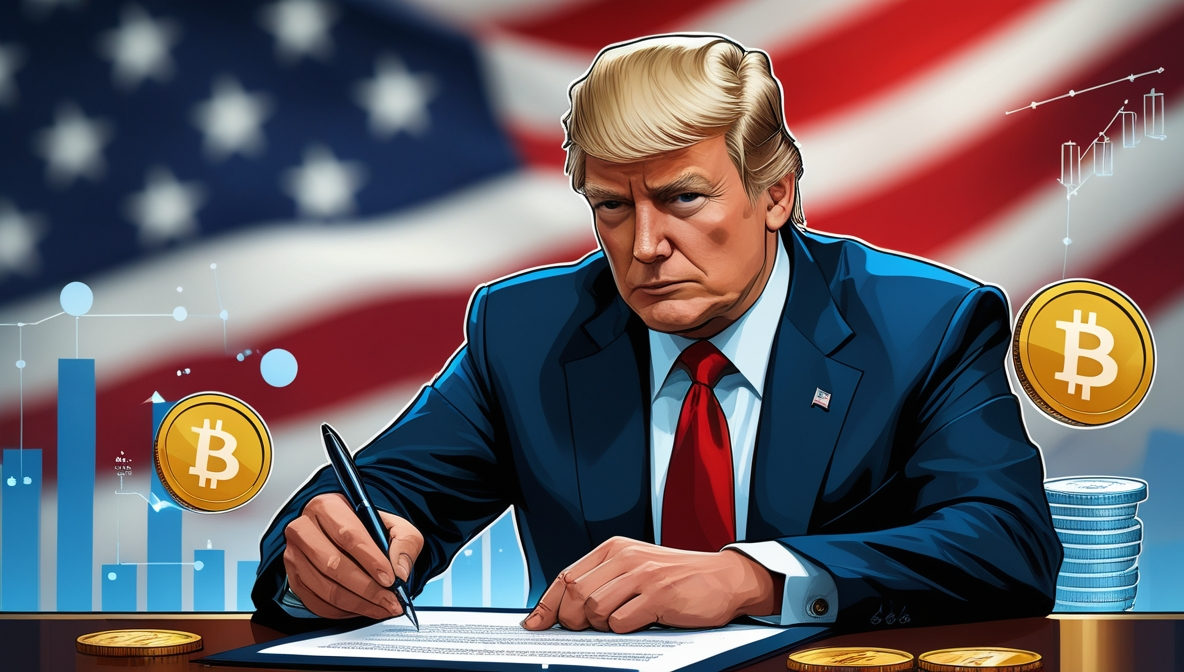
U.S. President Donald Trump has signed a law (called the "GENIUS Act") regulating dollar-backed cryptocurrencies (stablecoins), paving the way for their widespread use in payments and transfers.
The law received broad support in Congress: the House of Representatives voted 308 in favor and 122 against, with votes from some Democrats and a majority of Republicans; it was previously approved by the Senate.
The law requires stablecoins to be backed by liquid assets (U.S. dollars, short-term Treasury securities), and issuers must publicly disclose their reserve compositions monthly.
The goal is to increase trust in stablecoins, encouraging their use by banks, merchants, and consumers for instant payments.
Treasury Secretary Scott Bessent believes this will strengthen the dollar’s status as the world’s reserve currency and boost demand for Treasury securities.
The stablecoin market is currently valued at over $260 billion and is projected to grow to $2 trillion by 2028.
Criticism of the law:
Democrats and critics point out the lack of a ban on large tech companies issuing their own stablecoins, which could increase their influence.
They also demand stronger anti-money laundering protections and a ban on foreign stablecoin issuers.
Transparency International US representative Scott Greytak warns that the law leaves loopholes and could make the U.S. financial system vulnerable to criminals and hostile regimes.
Context:
The law’s passage is the result of long-term lobbying efforts by the crypto industry, which has invested over $245 million in election campaigns supporting crypto-friendly candidates.
Trump, who previously announced plans for his own cryptocurrency, expressed a desire to make the U.S. the crypto capital of the world.